Drawing from local traditions
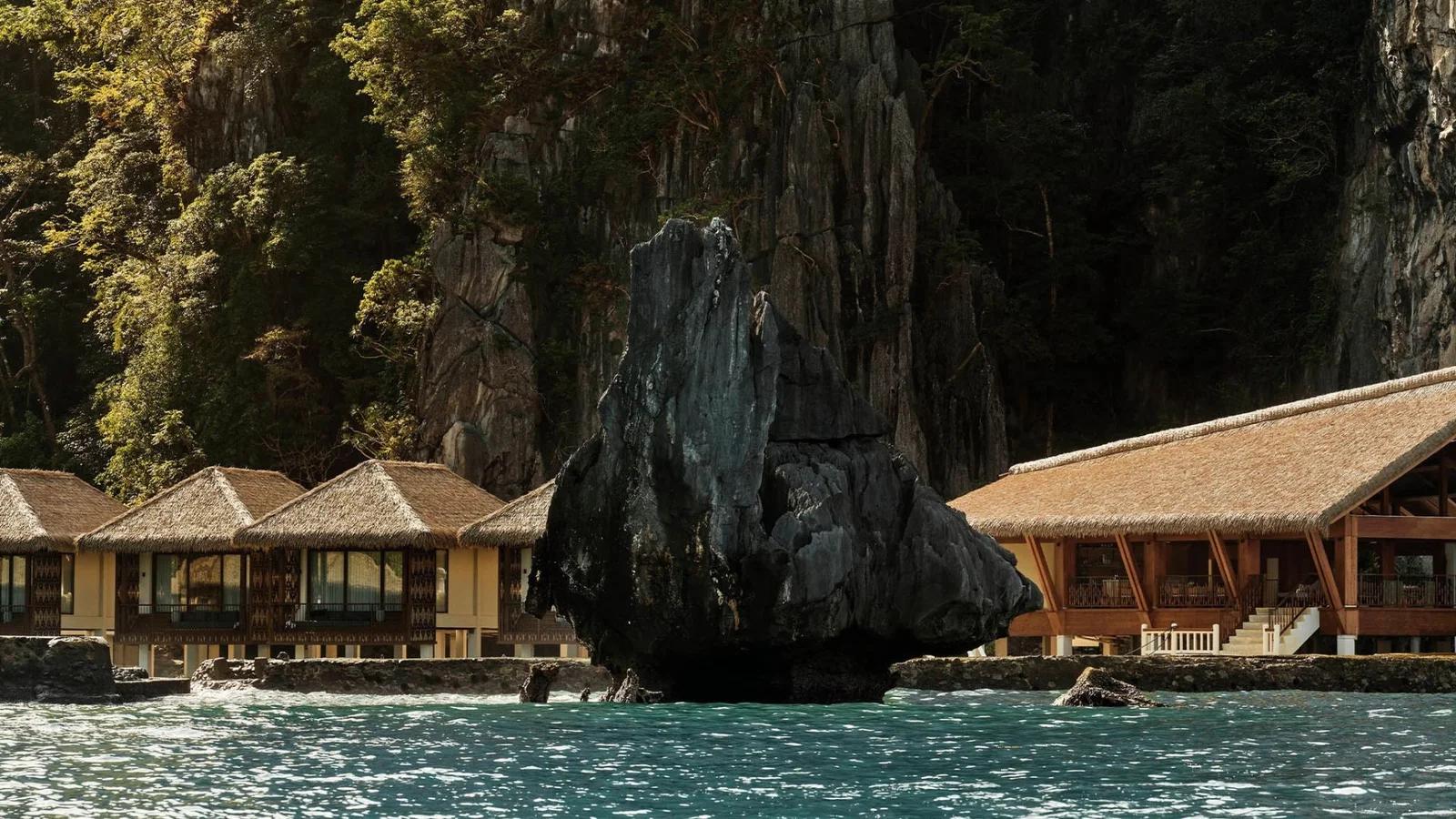
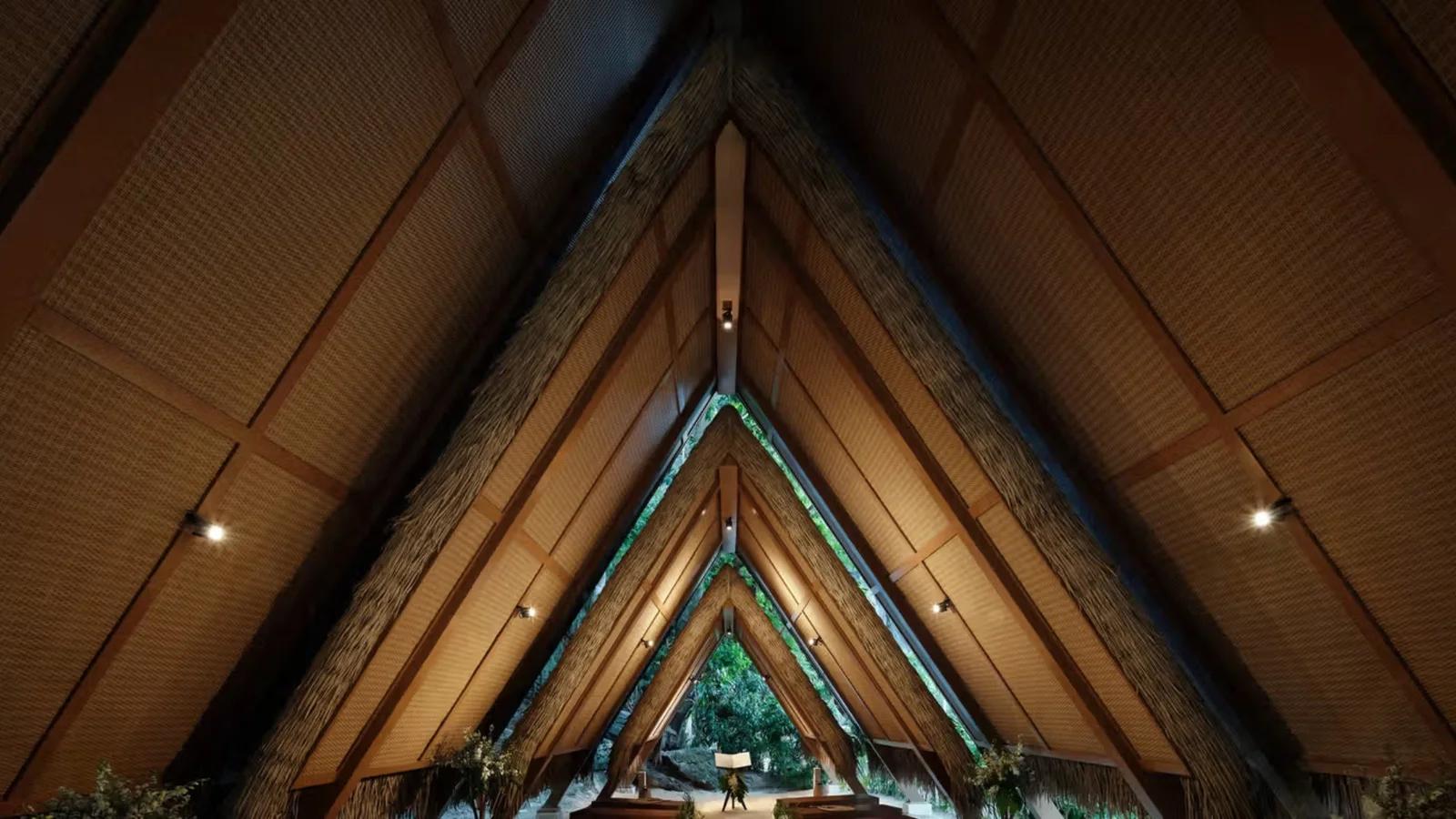
Inspired by the traditional Filipino bahay kubo and enriched by indigenous craftsmanship, its new design feels rooted in its surroundings rather than imposed upon them. A thoughtful approach to hospitality, where preserving the character of a place is perhaps the greatest luxury.
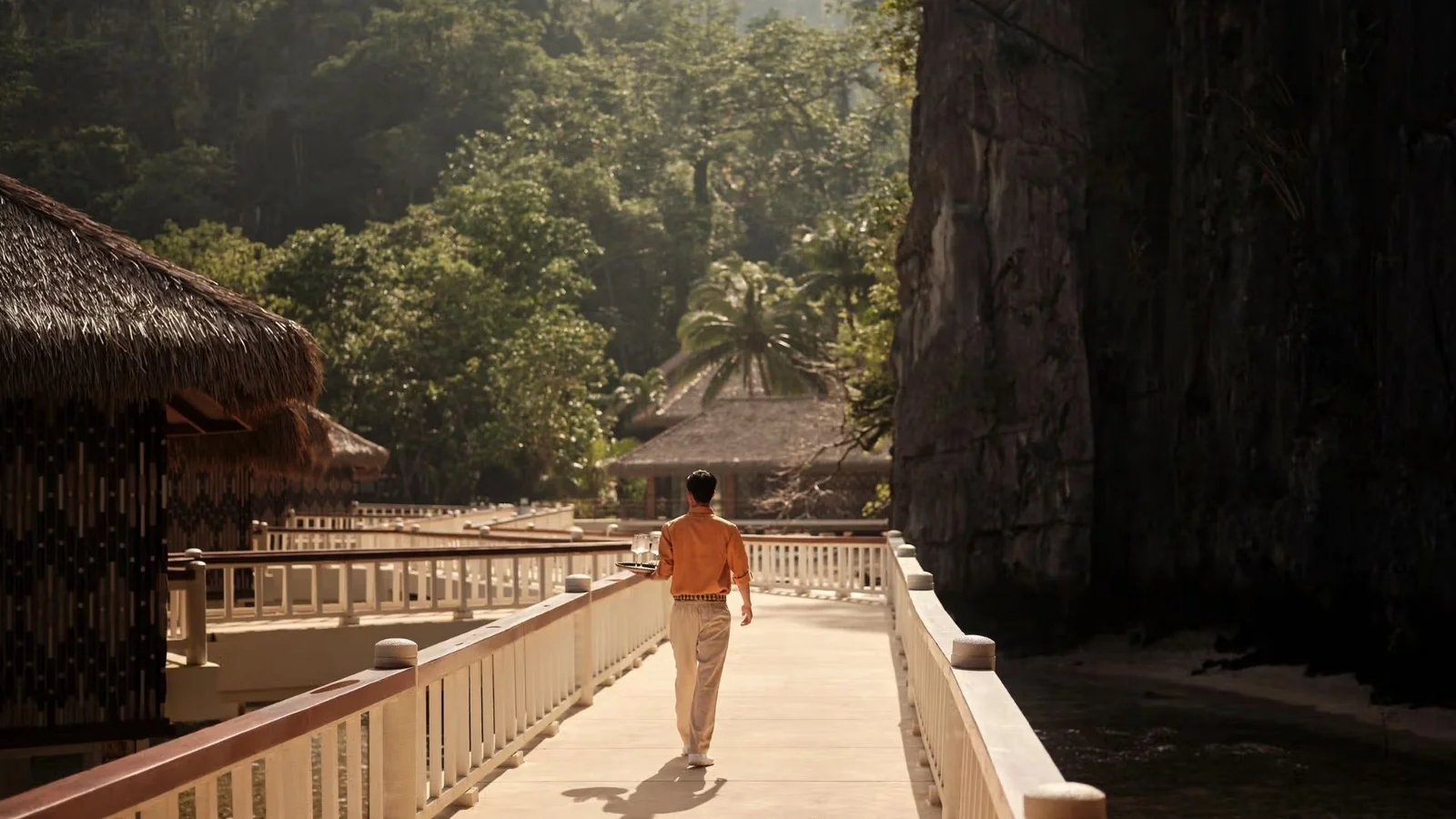
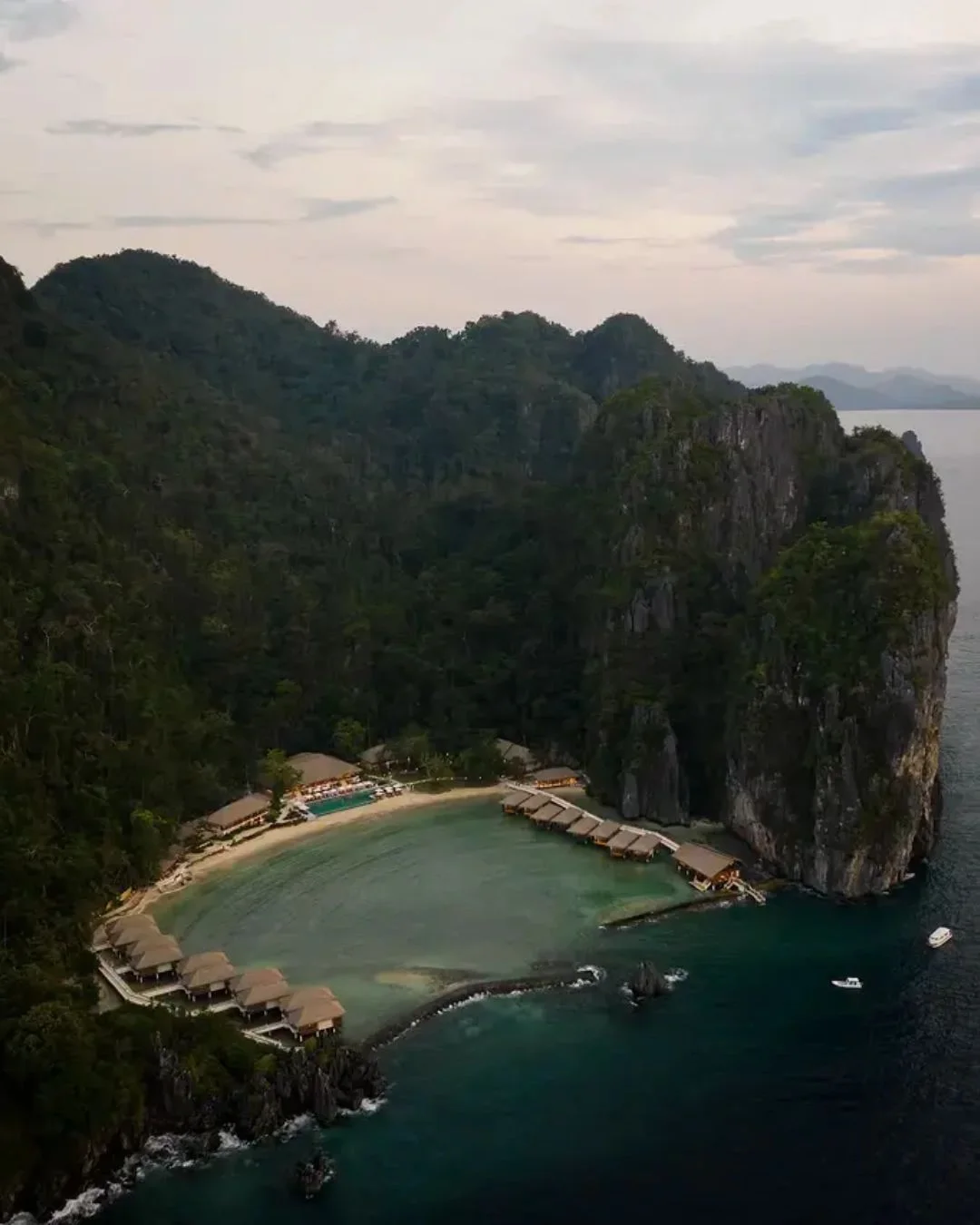
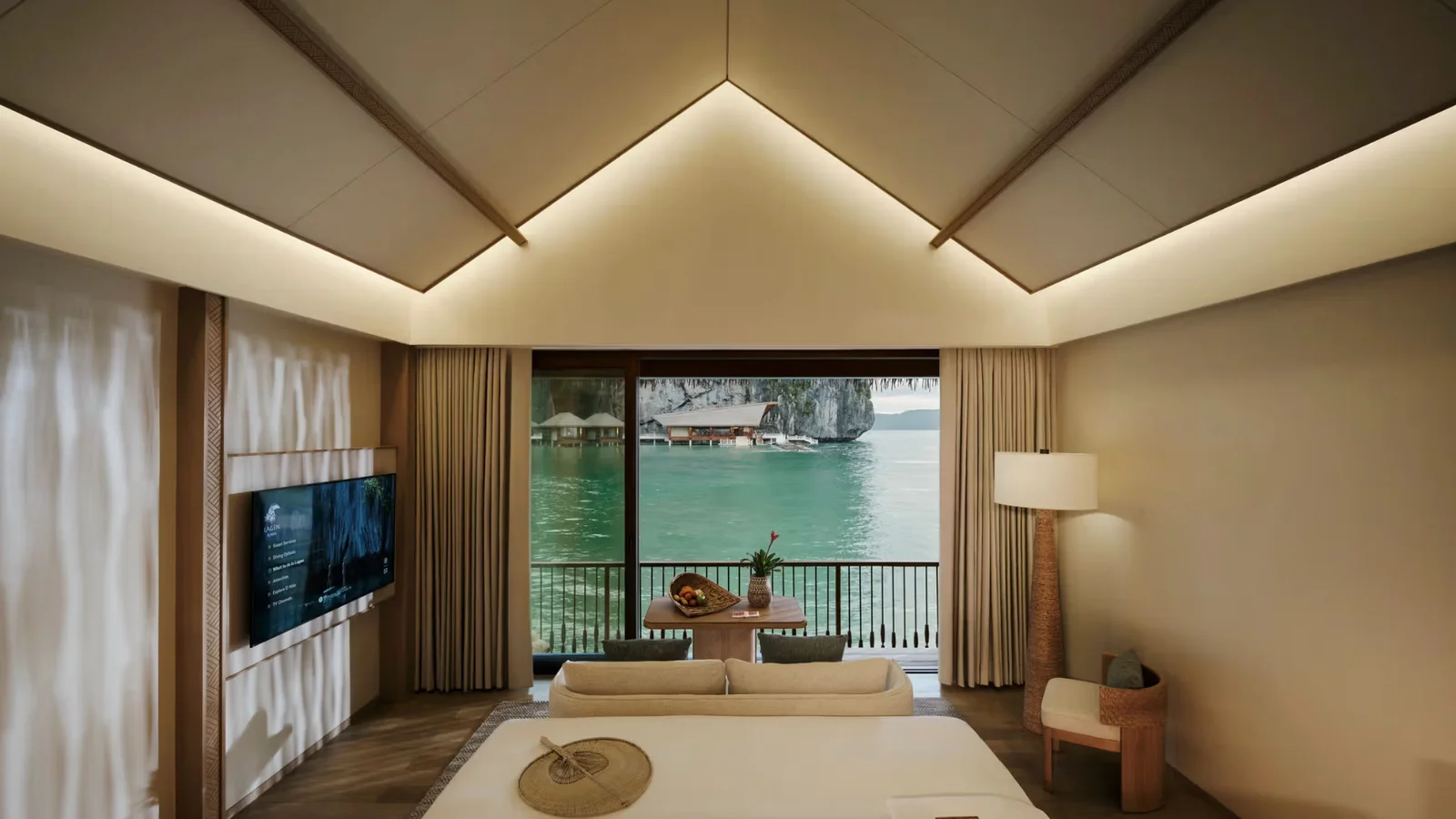
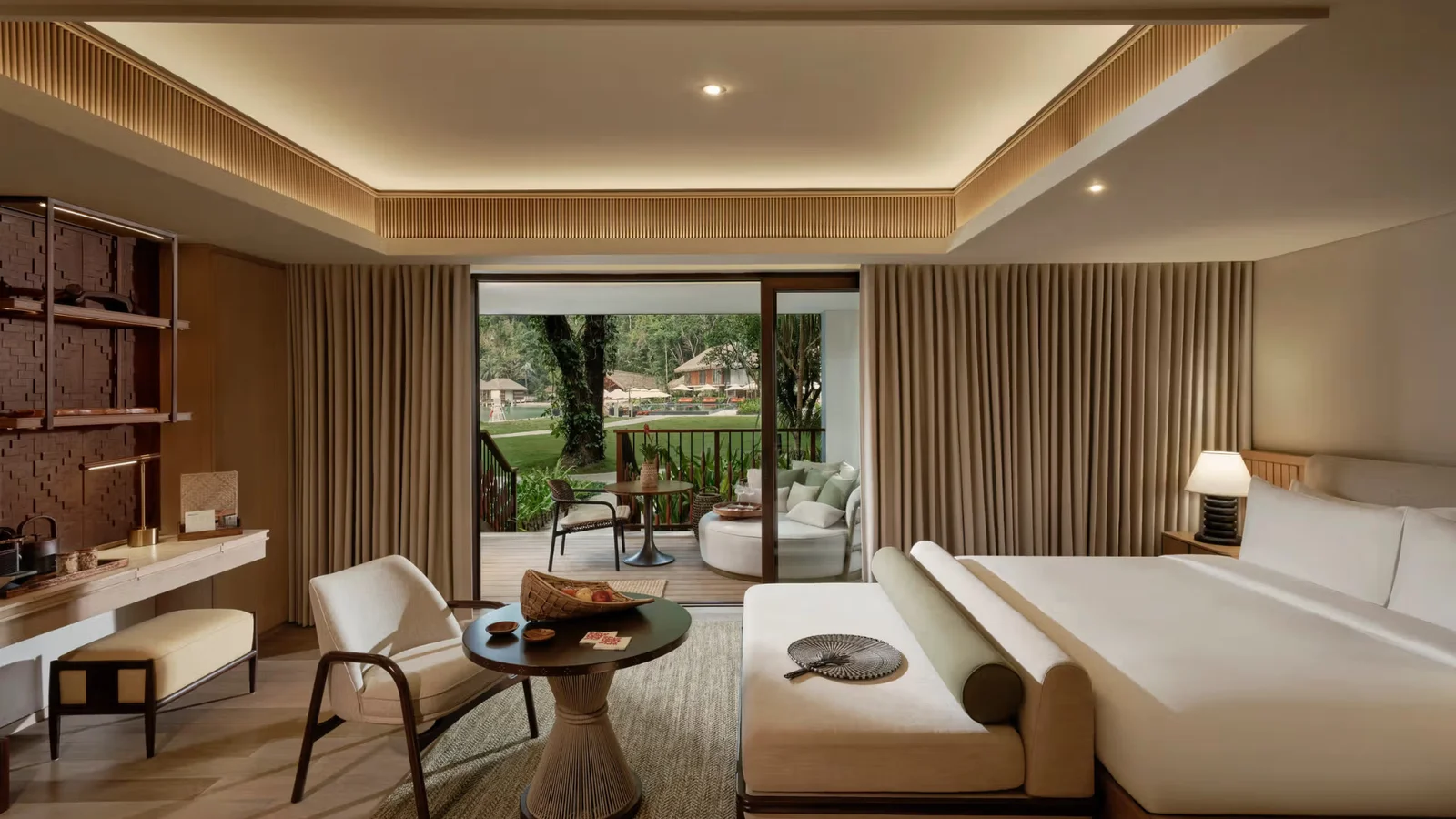
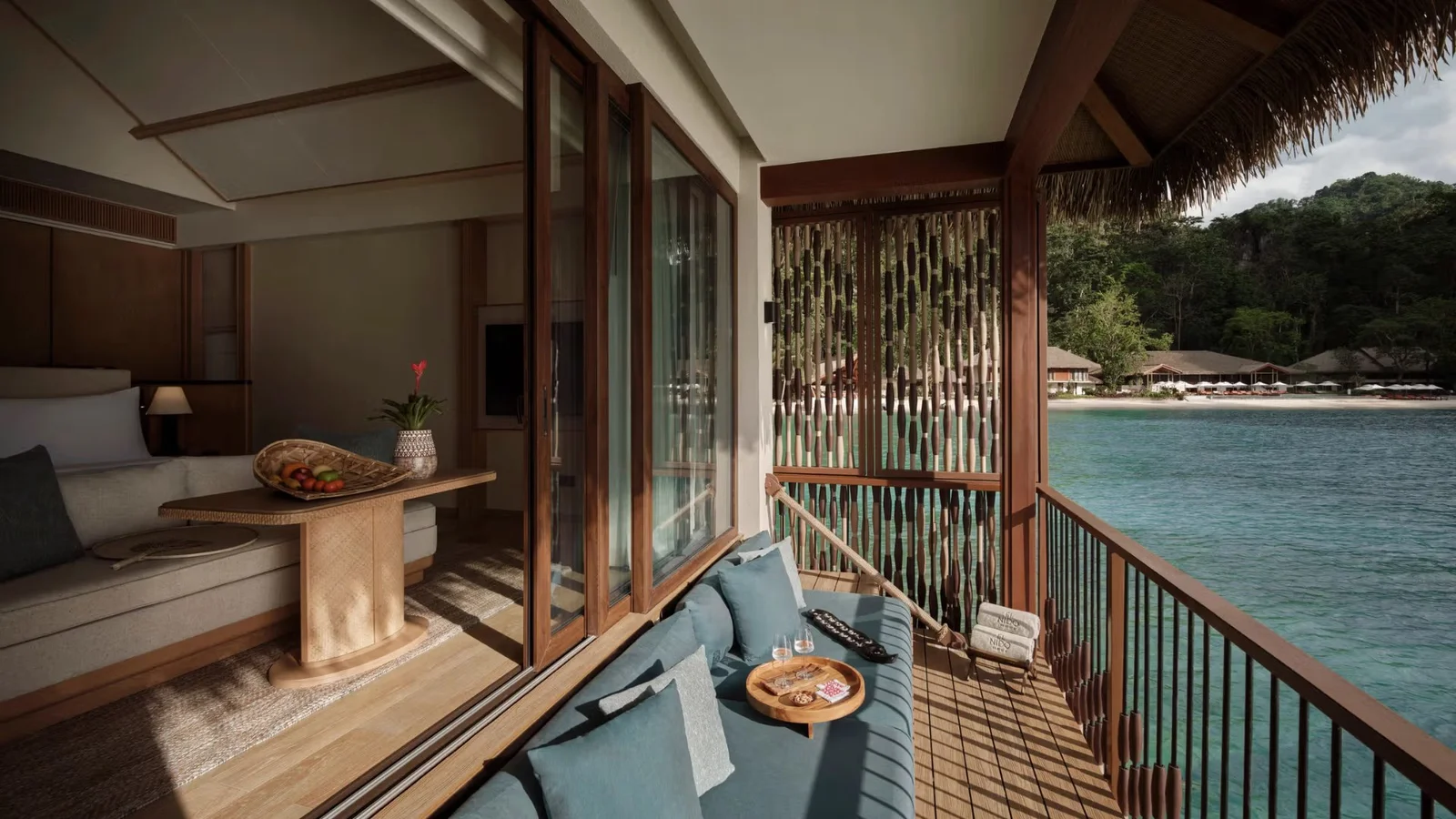
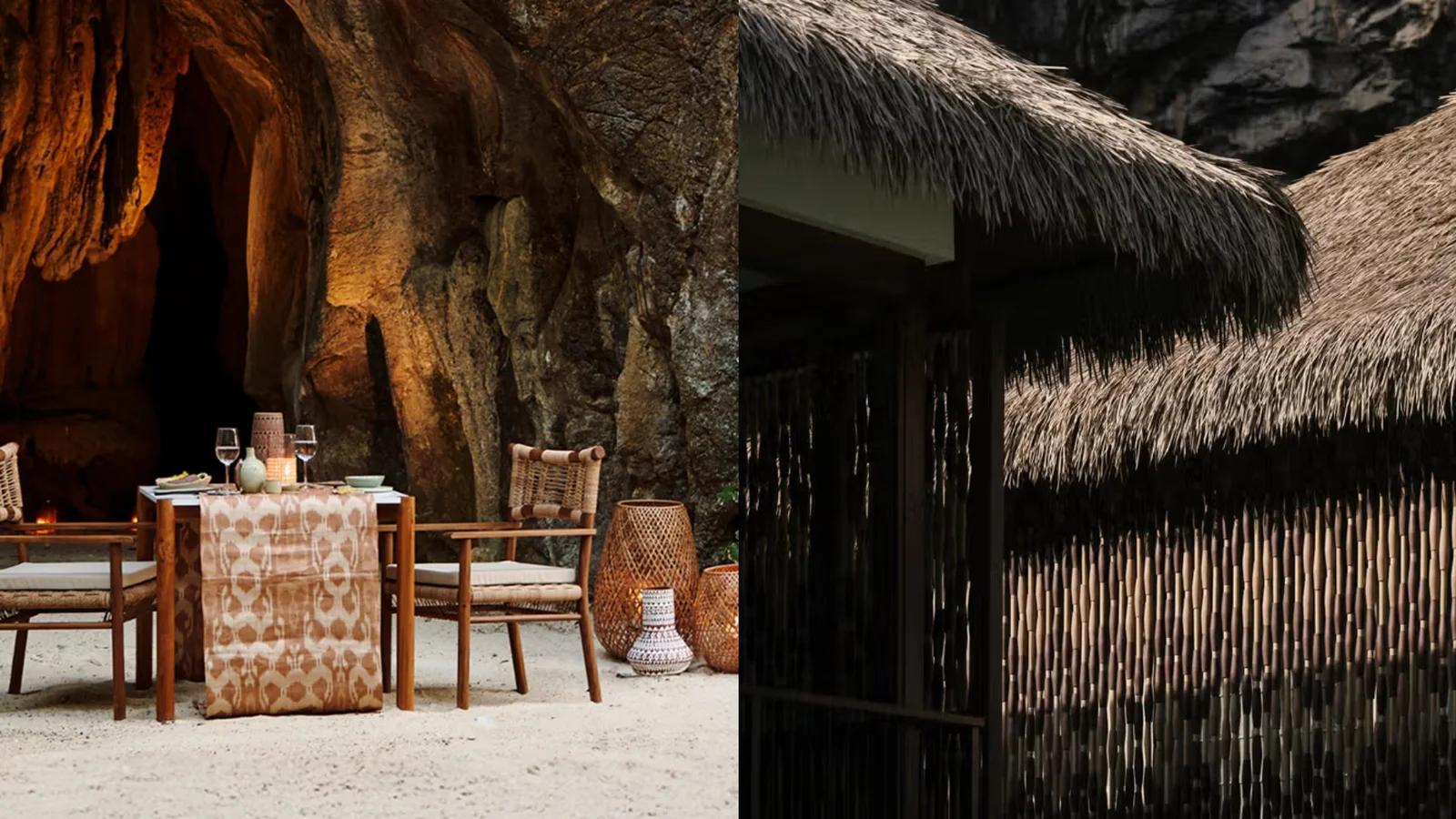
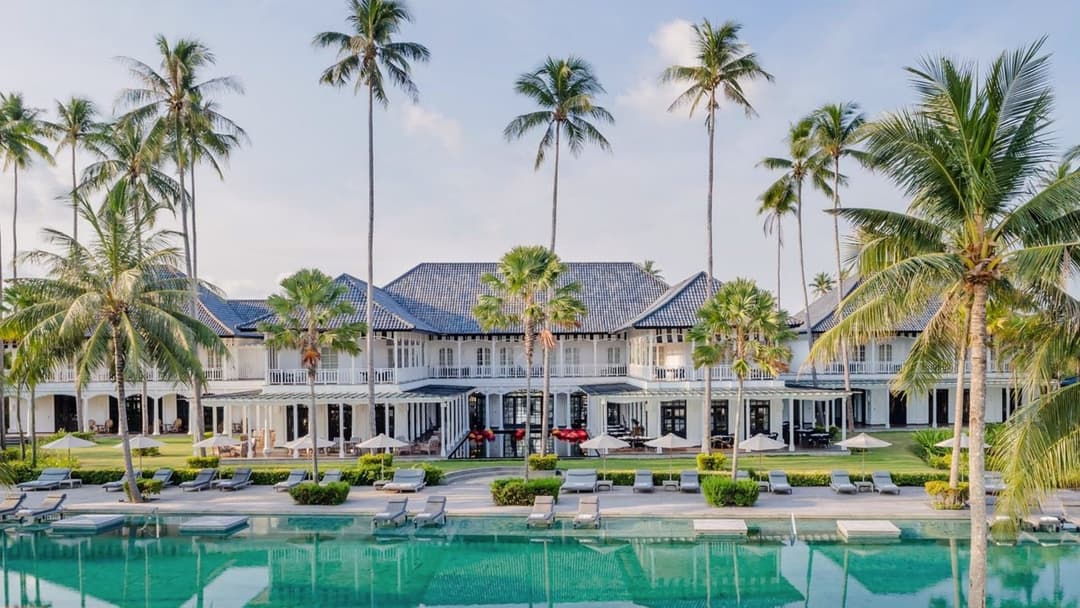
The bahay kubo reference goes deeper than a thatched roof. The designers borrowed what made the traditional house work in the first place: natural ventilation, deep overhangs, a loose boundary between inside and out. Sawali, the woven wall panels of the old Filipino house, is reinterpreted in hand-formed clay beads made by brick makers from Olongapo, hundreds of them arranged into a pattern that looks woven from a distance. Indigenous motifs from the Tagbanua, Tausug and Maranao peoples show up quietly in the details. The water villas sit on stilts over the lagoon, and each has a sunken lounge that puts you in front of the bay from bed.
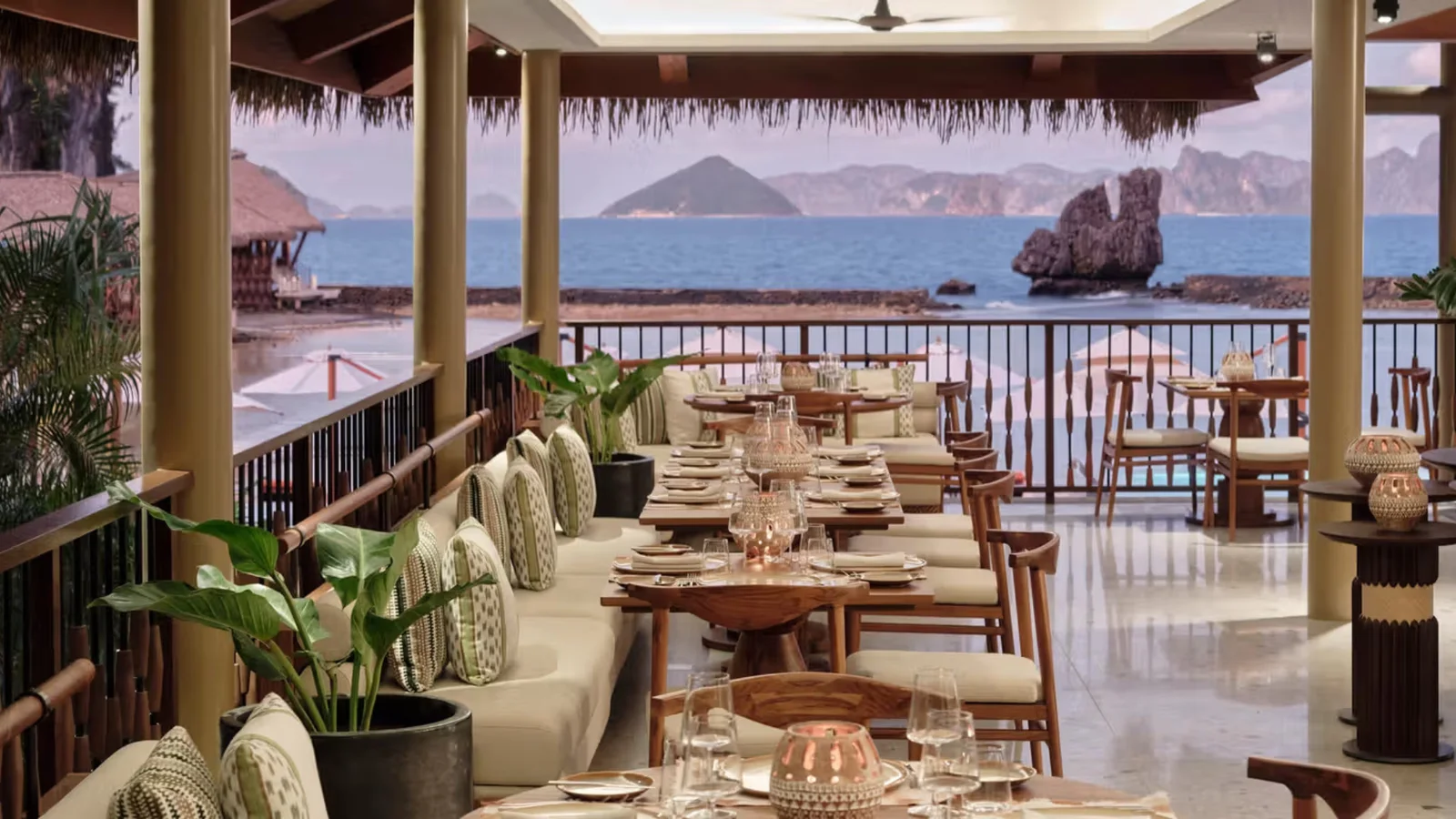
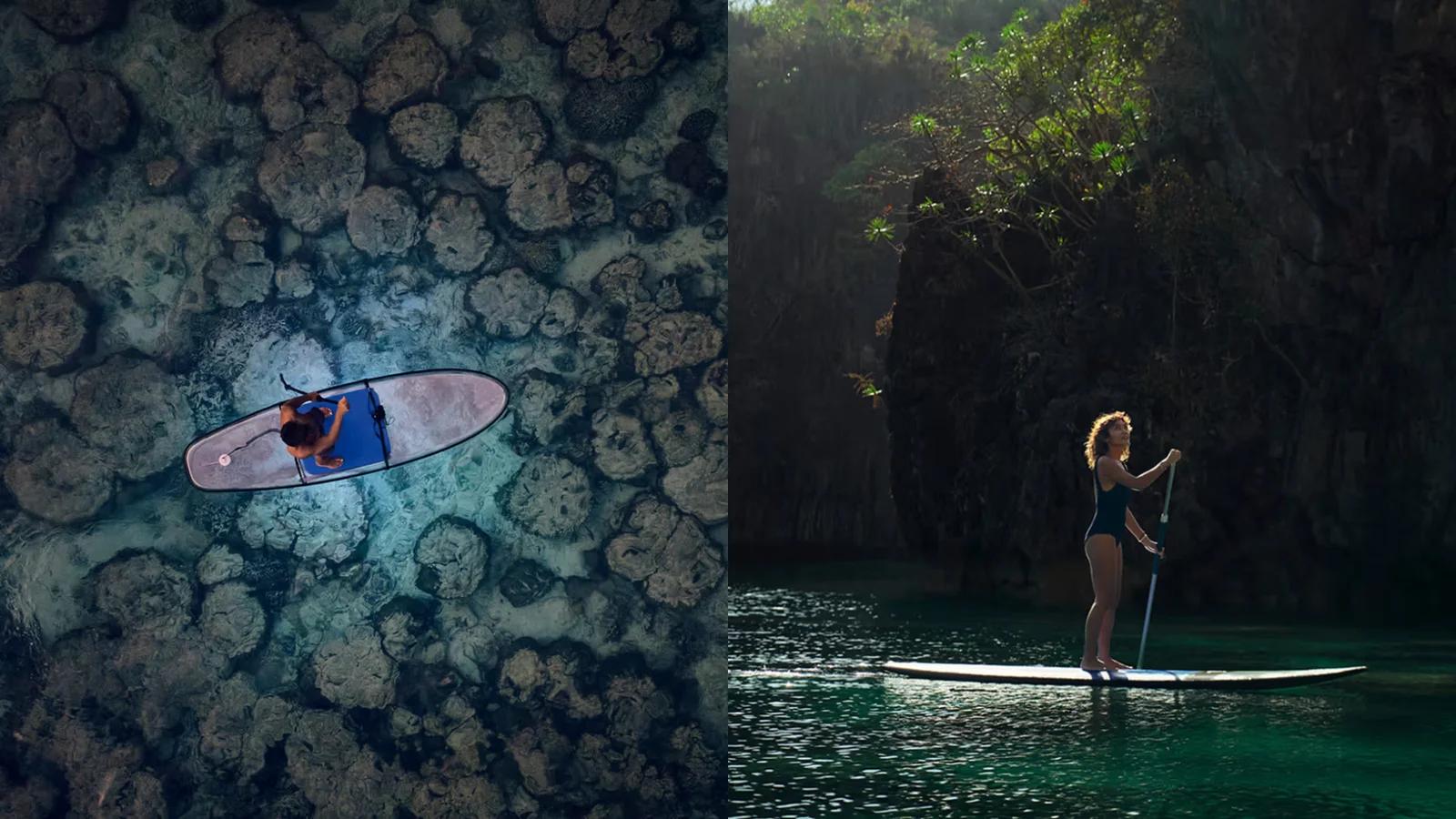
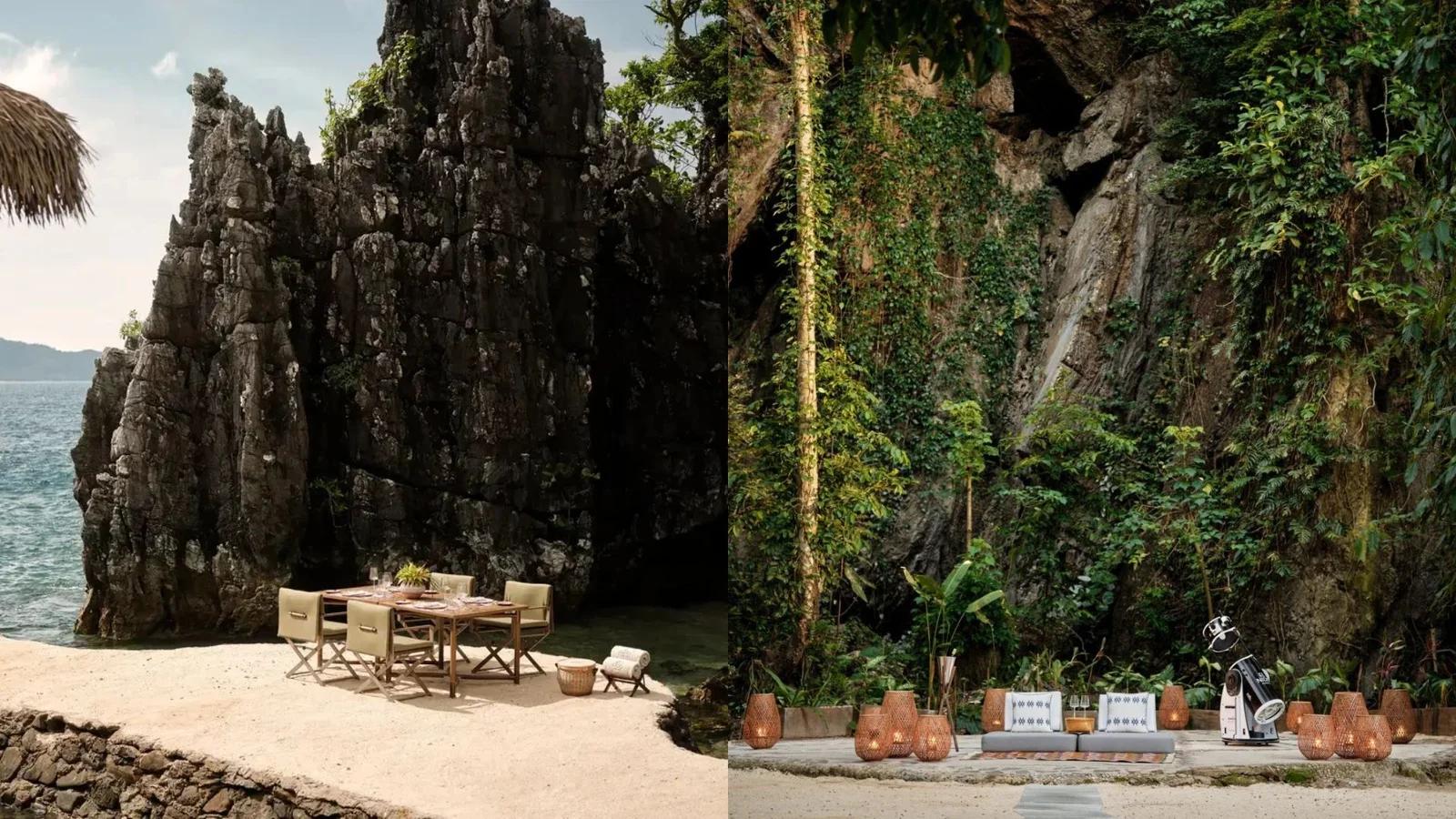
A day that moves outdoorsGetting to Lagen is part of the experience, starting with a boat transfer across Bacuit Bay. After that, days drift outside by themselves. You kayak, snorkel, or head out through El Nido’s lagoons and islands, then come back to a table set somewhere you wouldn’t expect: on the sand beside a jagged limestone outcrop, or on a wooden platform floating in the lagoon, mangroves around it, a grey cliff rising behind. Meals here borrow the landscape, and the landscape never feels like a backdrop.
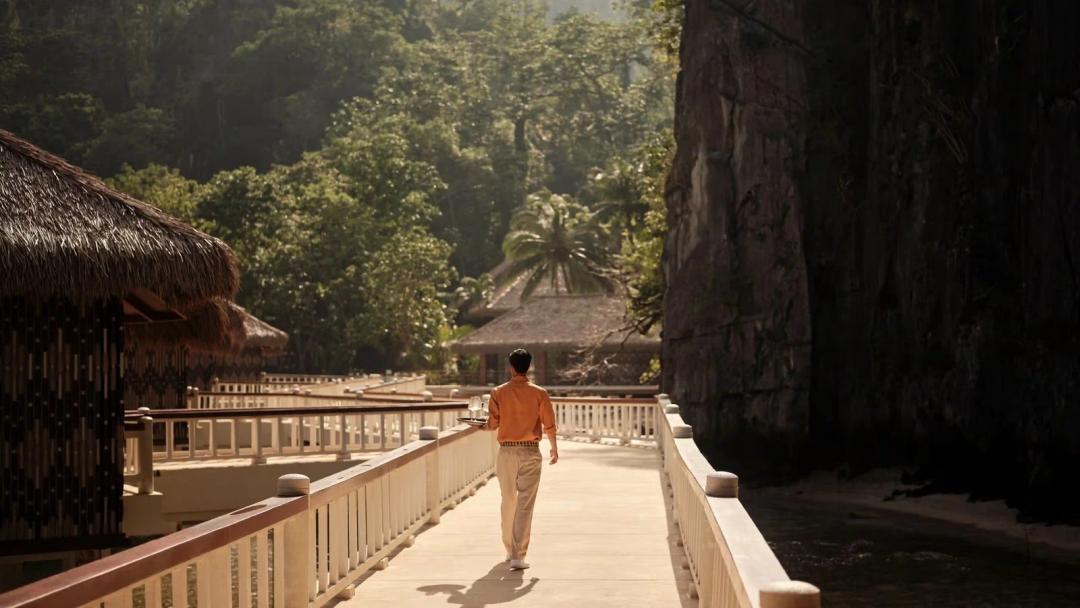
What Michelin sawIn 2026, the Michelin Guide awarded Lagen Two Keys. It’s among the Philippines’ first Two MICHELIN Key hotels, and it arrived less than a year after the reopening. The guide’s reading is that the experience here is inseparable from Bacuit Bay itself. Guests stay in water cottages, beachfront accommodations and forest rooms built around Filipino materials and craftsmanship, and their days naturally move outdoors.
Keys are given for the stay itself rather than the food, which is why it suits a resort like this one. Lagen isn’t asking you to be impressed by a lobby. It’s asking you to spend a few days somewhere that has been reshaped to feel like it was always meant to be this way.
The fresh perspectiveA familiar name in Palawan can be easy to scroll past. Lagen is a good argument for looking twice. The island didn’t get bigger or louder. It got quieter, and in doing so, it got easier to see.
Lagen didn’t reinvent itself so much as pay closer attention to what was already there. Sometimes a fresh perspective is just a familiar place, finally given room to breathe.